



A Spin Through History: The Origins of Roulette
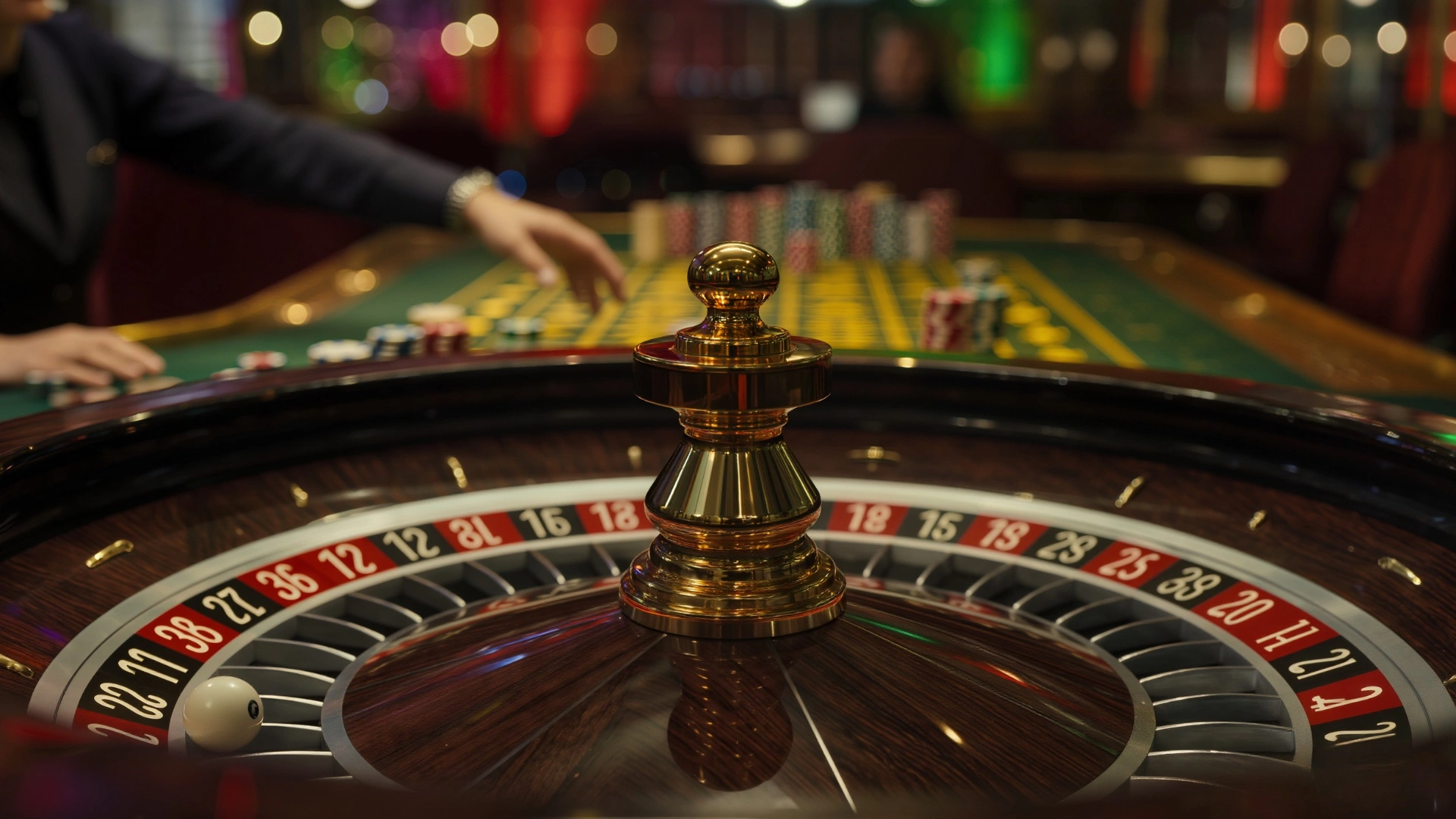
Roulette didn’t appear in its current form overnight. The early shape of the game came from experiments that had nothing to do with entertainment. In 17th-century France, Blaise Pascal explored mechanical ideas that aimed to challenge the limits of motion. The device he worked on wasn’t a casino tool, yet the mechanism eventually inspired the first version of a spinning wheel with numbered sections. What started as a scientific curiosity slowly shifted toward a game that captured attention across Europe.
As time passed, the wheel evolved. By the 1800s, the Blanc brothers introduced a cleaner, more streamlined layout by removing the double zero. That adjustment made a noticeable difference. The game became fairer, rounds lasted longer, and players across Europe found the reduced house edge appealing. Monte Carlo, already a place where new entertainment ideas spread quickly, adopted the updated wheel and helped turn it into the model that most players recognize today.

The story continued differently in North America. When roulette arrived there, casinos chose to keep both the single zero and the double zero, creating a wheel with slightly steeper odds for players. The higher house edge didn’t slow its growth. The American version settled into its own identity and kept expanding through coastal cities, riverboat casinos, and later, major gambling hubs. Over time, the two styles developed side by side, each shaped by regional habits rather than a common rulebook.
These separate paths explain why roulette tables still differ depending on where the game is played. The contrast between European and American wheels isn’t just a design choice; it’s the result of decades of small decisions made by people who wanted the game to fit their environment. That slow evolution left its mark, giving the wheel a quiet history that sits underneath every round.
Modern roulette still carries pieces of this journey. The layout feels familiar everywhere, but the details hold reminders of past choices. Despite centuries of changes, the core remains steady: a wheel, a ball, and a predictable rhythm that keeps drawing players back. The transformation from experimental mechanism to global casino symbol shows how a simple idea can travel far without losing the qualities that made it appealing from the start.

Time left: 04:30
Last used 4 minutes ago
Roulette 101: Understanding the Wheel, Table & Basic Rules
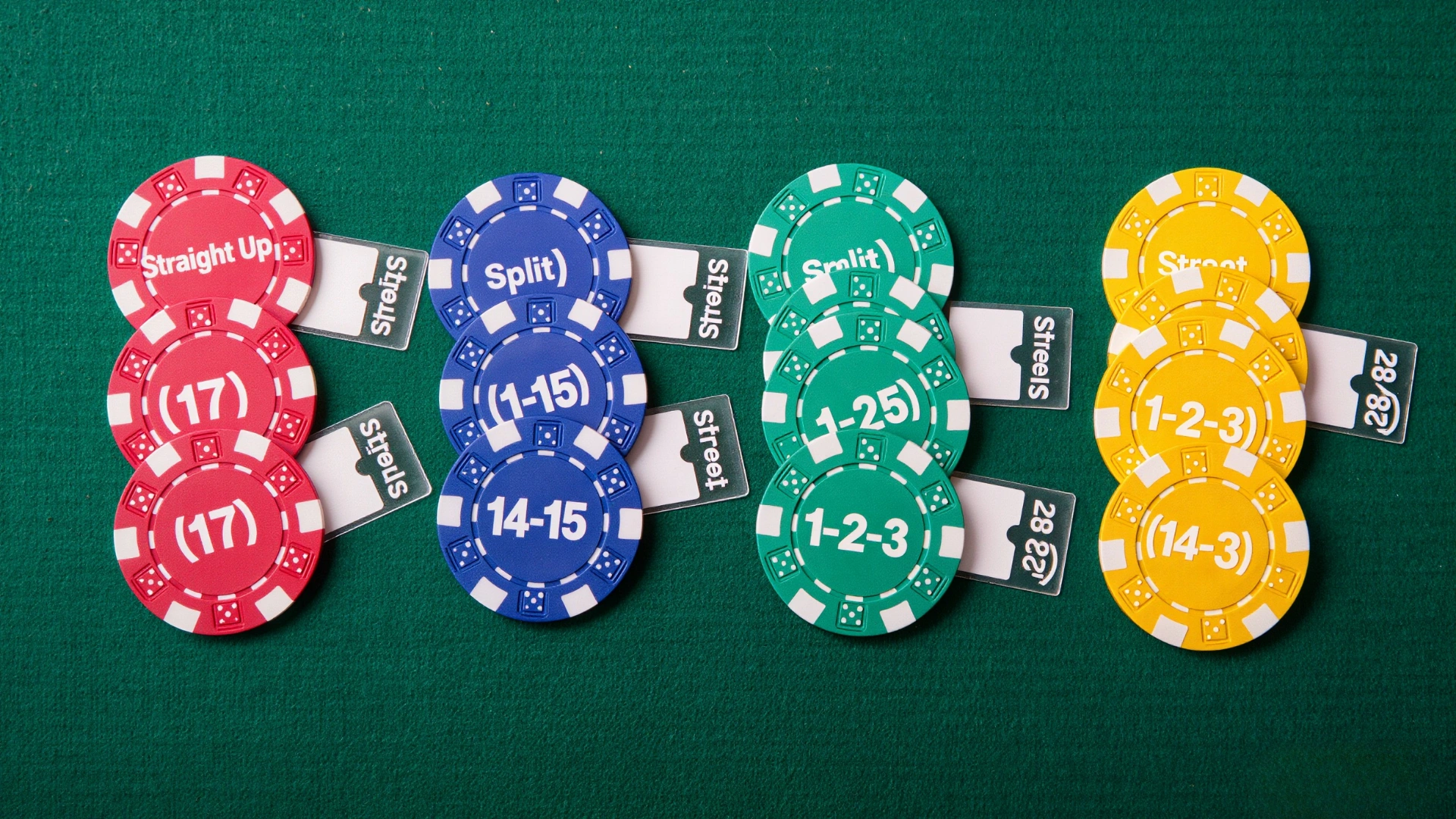
The wheel is the first thing people notice. It’s split into numbered pockets from 1 to 36, half red and half black, plus one green pocket for zero. American wheels add another green space — the double zero. It’s not difficult to understand, but it helps to stop for a moment and look at how these pockets shape the game.
The table layout mirrors the wheel. It has all the numbers arranged in rows and columns, plus extra sections for larger groups like red or black. The layout might seem crowded early on, but its structure becomes familiar fast.
The croupier guides the round. Their movements aren’t rushed. Spin the wheel, roll the ball, announce when betting stops, call the winning number, settle the payouts. The steps are consistent from one round to another, so the flow becomes predictable after a while.
Here’s a quick breakdown of how each round usually goes, just to make things clearer:
- Chips are placed on the table in the chosen spots.
- The wheel starts spinning and the ball is released.
- Betting closes when the croupier calls it.
- The ball lands in a pocket.
- Winning bets are paid; losing bets leave the table.
Nothing tricky here. The basics stay the same across versions, and the wheel doesn’t care about complex systems or special tricks.
European vs. American Roulette: Know the Difference
The difference between the two main styles is easy to overlook, but it matters. One wheel has a single zero; the other has zero and double zero. That’s enough to change the long-term odds. Here’s a table that shows the contrast without overthinking it:
| Criterion | European Roulette | American Roulette |
| Number of pockets | 37 (1–36 + 0) | 38 (1–36 + 0, 00) |
| House edge | ~2.7% | ~5.26% |
| Where it’s common | Europe, online casinos | USA, Canada, some parts of Asia |
In European roulette, the wheel has 37 pockets: numbers 1–36 plus a single 0. Every bet is calculated based on the total number of outcomes, but the presence of the single zero gives the casino a small advantage. This results in a house edge of 2.7%, meaning that, on average, the casino expects to retain 2.7% of all wagers over time.
In American roulette, the wheel adds an extra “00” pocket, bringing the total to 38 outcomes. Payouts remain the same, but the additional losing outcome increases the casino’s advantage, raising the house edge to 5.26%. The extra “00” sector in the American version increases the total number of possible outcomes, reducing the probability of winning for all bets except a straight bet on “00”.
This is why players looking for better odds typically prefer European roulette, as the single zero reduces the casino’s edge compared to the double-zero American wheel.
Time left: 04:30
Last used 4 minutes ago
Placing Your Bets: A Guide to Inside & Outside Wagers

Once the wheel makes sense, the next step is understanding the bets. They split into two groups: inside bets and outside bets. It’s easier to learn them separately.
Inside bets focus on specific numbers or small number groups. They pay more because the chances are lower. Here’s what these bets look like, just to keep things clear:
- Straight-up (single number).
- Split (two numbers next to each other).
- Street (three numbers in a row).
- Corner (four touching numbers).
- Six Line (six numbers in two rows).
Inside bets bring higher payouts, but they win less often. Outside bets live at the other end of the spectrum. They cover bigger slices of the table and win more regularly. These are the ones most new players lean toward early on. Here’s a list of the outside bets, just for orientation:
- Red or Black.
- Odd or Even.
- 1–18 or 19–36.
- Dozens (1–12, 13–24, 25–36).
- Columns.
Outside bets don’t offer huge payouts, but they create steady movement and keep the session going without sharp swings. Both inside and outside wagers have their place. Choosing between them depends on how the round feels and how steady the table seems at the moment.
| Bet Type | Description | Payout |
|---|---|---|
| Straight | Bet on a single number | 35 to 1 |
| Split | Bet on two adjacent numbers | 17 to 1 |
| Street | Bet on three numbers in a row | 11 to 1 |
| Corner | Bet on four connected numbers | 8 to 1 |
| Column | Bet on one full column (12 numbers) | 2 to 1 |
| Even / Odd | Even-money bet on number parity | 1 to 1 |
Time left: 04:30
Last used 4 minutes ago
Managing Your Game: Popular Betting Systems & Strategies
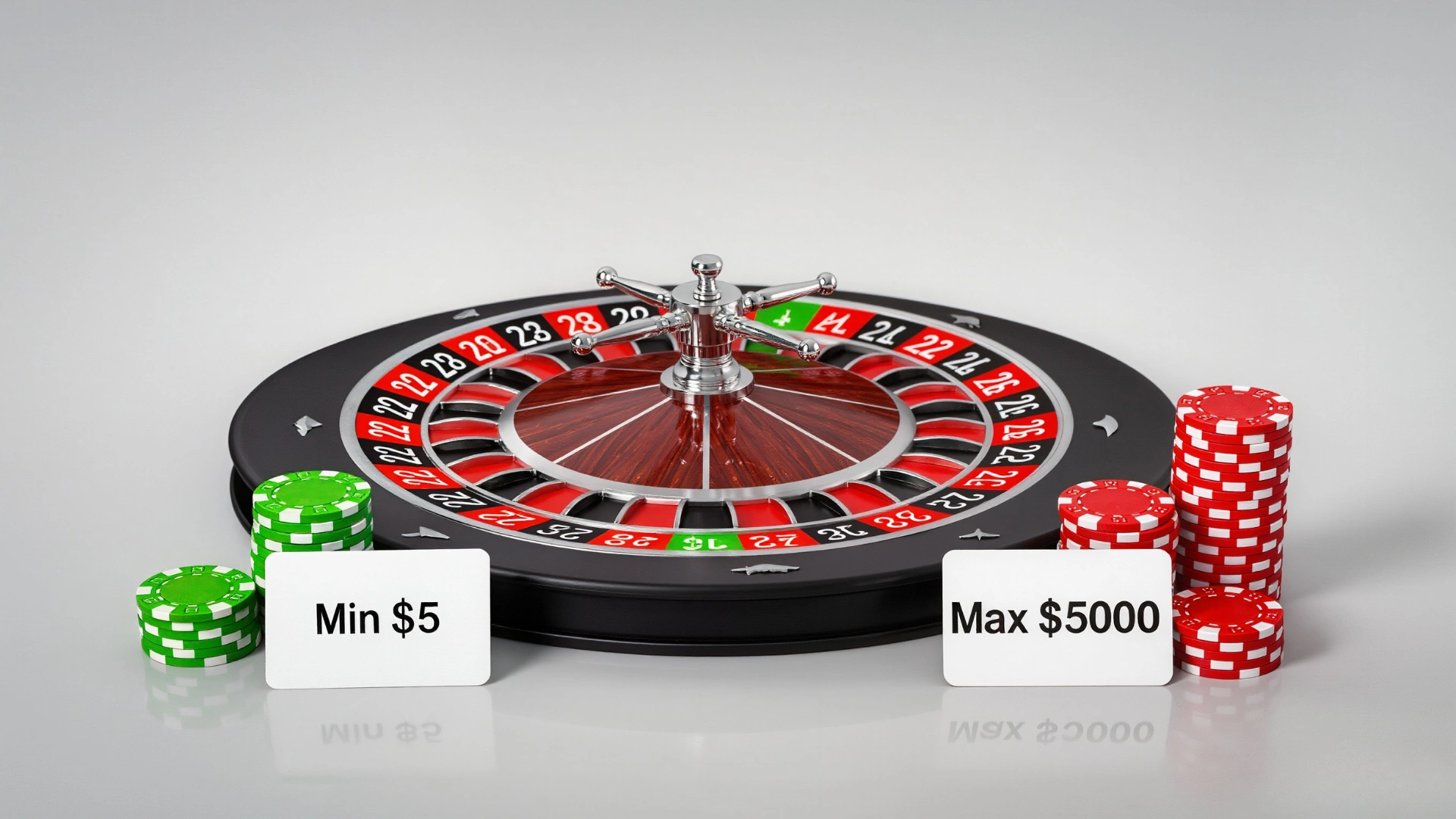
Roulette doesn’t need strategies, but some players enjoy a bit of structure. Betting systems aren’t solutions or shortcuts. They shape the session and give a clear plan to follow, especially when the table feels chaotic. Here are the main approaches and what they actually do.
Conservative Play: The Martingale and Paroli Systems
Martingale is simple. The bet doubles after every loss. The goal is to recover all previous losses with a single win. It looks clean on paper but grows sharply if a losing streak lasts too long. Table limits and bankroll size often stop the system before it pays off.
Paroli works in the opposite direction. It doubles only after wins. The idea is to catch a streak and multiply gains without risking too much on each attempt.
No betting system can overcome the house edge in the long run. They are tools for money management, not for guaranteed wins
Here’s a table that helps see the difference between the main strategies without guessing:
| Strategy | Type | Principle | Risk | Best For | When to Use / Main Goal |
|---|---|---|---|---|---|
| Martingale | Progressive | Double after losses | Very high | Large bankrolls | Use when seeking to recover previous losses quickly; best for short-term sessions on even-money bets |
| Paroli | Progressive | Double after wins | Moderate | Hot streak attempts | Use during winning streaks to maximize profits while limiting exposure |
| Fibonacci | Progressive | Follow number sequence | Moderate | Cautious progression | Use for slow, steady bankroll growth; ideal for players who prefer structured risk management |
| James Bond | Flat combo | Fixed bet spread across numbers | Moderate | Short, structured sessions | Use when you want coverage of multiple numbers without increasing bet size; suitable for casual play or timed sessions |
Covering the Table: The Fibonacci and James Bond Strategies
Fibonacci uses the famous sequence to guide bet size. It rises slower than Martingale, which keeps risk from blowing up too fast. It also feels easier to follow for players who want order without huge jumps.
The James Bond setup is more direct. It spreads chips across three areas so most numbers on the wheel get covered. It’s not a trick for beating the casino. It’s just a style of play that creates faster rounds with more action.
Strategies don’t remove the house edge. They only organize the bets. That’s the honest truth behind all of them.
Time left: 04:30
Last used 4 minutes ago
Why Play Roulette at BC.GAME? Features & Game Selection

BC.GAME offers roulette in several forms, and the selection makes it easier to find something comfortable. European wheels, American wheels, and live-dealer rooms show up often. Each type creates a slightly different pace, so there’s always space to choose something that matches the mood.
- European Roulette (RNG)
A digitally generated version featuring a single zero, offering a lower house edge of 2.7%. Ideal for players who value optimal odds and consistent, fast-paced rounds. - American Roulette
Includes both 0 and 00 pockets, delivering a more traditional Las Vegas-style experience with higher volatility and a 5.26% house edge. - Live Roulette with Real Dealers
Streamed in real time, this format combines authentic casino atmosphere with professional dealers. Players interact with a physical wheel while enjoying the convenience of online play. - Speed Roulette
Designed for faster rounds and minimal downtime, Speed Roulette is well suited for experienced players who prefer quick decision-making and rapid results.
BC.GAME supports play using cryptocurrencies and fiat currencies, allowing users to choose the payment method that best fits their preferences. This flexibility, combined with multiple roulette formats, makes the platform accessible to both casual players and seasoned enthusiasts.
Time left: 04:30
Last used 4 minutes ago
Top Tips for Playing Roulette Smart in 2026
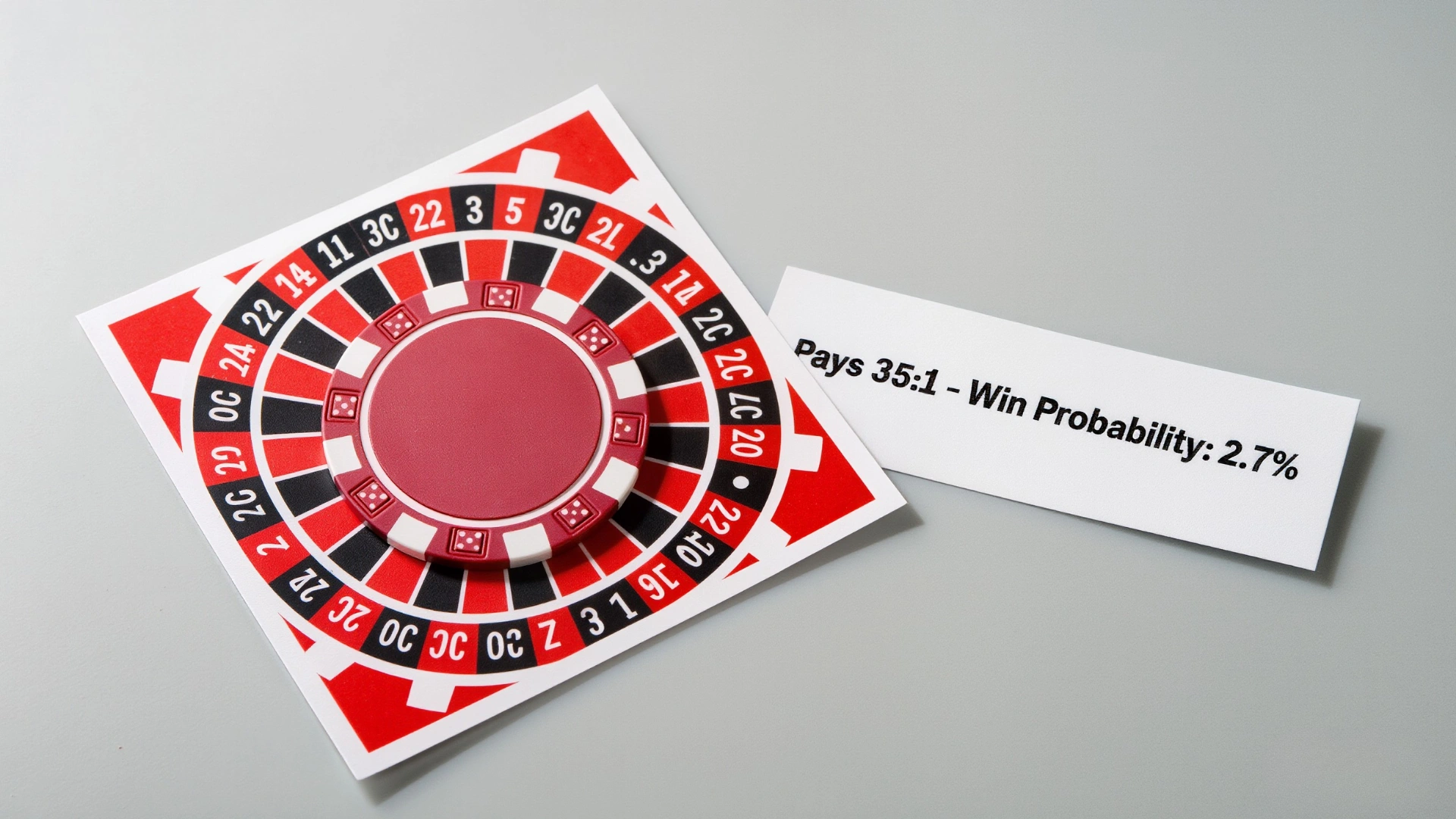
Roulette stays simple, but small habits shape long sessions. Here are practical tips that keep things steady:
- choose European roulette when available;
- start with outside bets to reduce early swings;
- set a fixed limit for the session;
- avoid chasing losses;
- use demo options to warm up without stress.
- always choose tables with the ‘La Partage’ or ‘En Prison’ rule if available. These rules return half your bet (or ‘lock it in’ for the next spin) when zero lands on even-money bets (red/black, even/odd), cutting the house edge almost in half.
These aren’t secrets. They’re just habits that make the experience calmer and clearer.
Conclusion: Your Journey to the Roulette Table Awaits
Roulette blends chance and calm structure in a way that’s easy to appreciate once the basics settle. The wheel doesn’t rush anything. The table stays the same from round to round. Understanding bets, choosing the right wheel, and keeping sessions reasonable builds a smoother experience than any strategy alone.
When the time feels right to try a real table, exploring everything BC Game roulette offers gives a simple path forward. The pace, the layout, and the options help keep the game approachable. A steady approach goes far, and roulette rewards players who stay patient and aware, one spin at a time.