


Introduction: The Rise of a New Gaming Legend
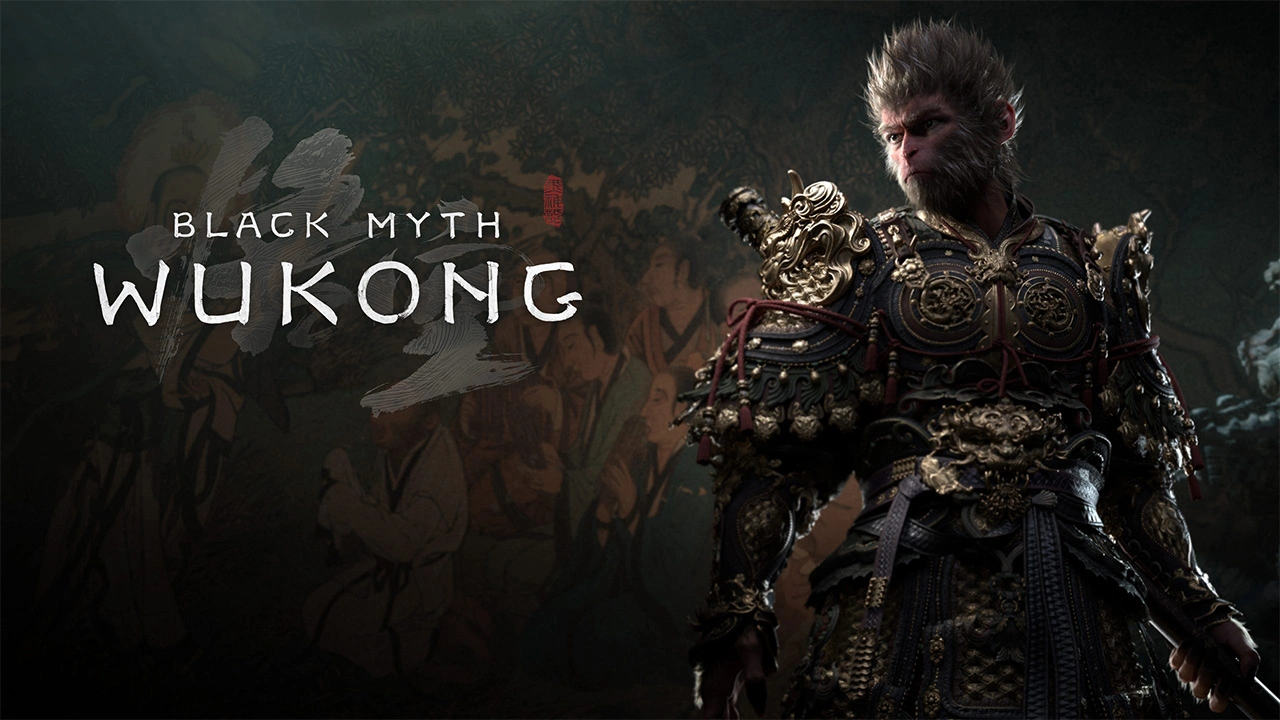
Black Myth: Wukong quickly became the kind of title people talk about even outside gaming circles. The game boasts Overwhelmingly Positive reviews on Steam. It also holds scores above 90% across major review aggregators. Reviewers praised the atmosphere; players praised the weight and honesty of the combat. Together, these voices created a sense that the game is more than an adaptation — it’s a reimagining that respects its origins while standing confidently on its own.
In this BC Game Wukong guide, the focus is on making the experience approachable. Instead of drowning you in technical jargon or overlong explanations, the aim is to hold onto what makes the game genuinely exciting: the tension between myth and danger, the storytelling that rises unexpectedly in quiet areas, and the familiar thrill of a perfectly timed dodge.

Time left: 04:30
Last used 4 minutes ago
Story & World: A Dark Fantasy Reimagining of Journey to the West
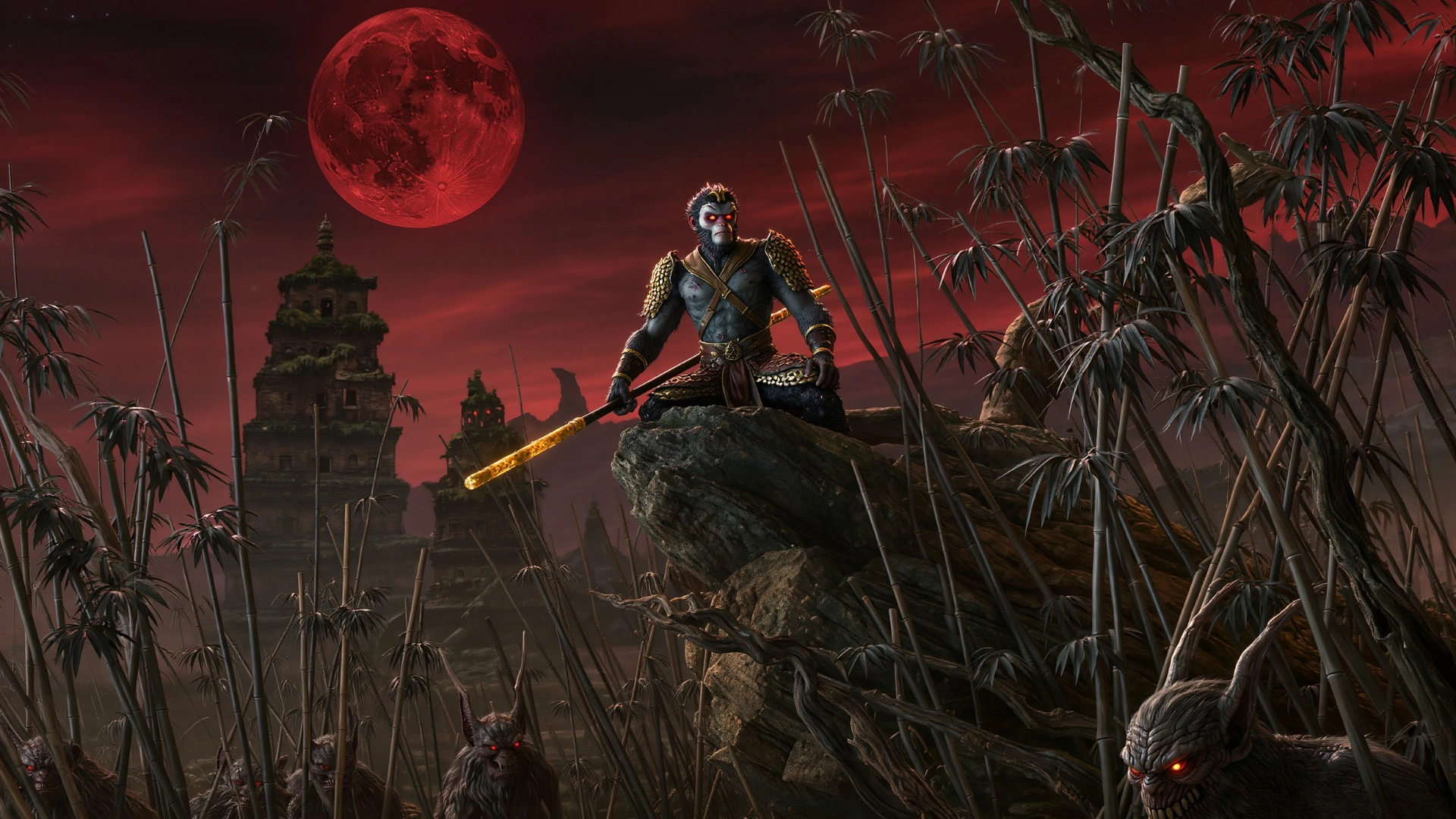
Black Myth: Wukong draws from one of the most important works in Chinese literature, yet it doesn’t simply recreate the tale. Instead, it reframes the journey as a dark fantasy seen through the perspective of a new protagonist known as the Destined One. His mission revolves around gathering relics, uncovering forgotten truths, and facing creatures shaped by ancient grudges, broken loyalties, and twisted magic.
The world feels heavy with memory — a place that has endured far more than it reveals at first glance. Forests whisper, ruins crackle with old power, and the air itself feels thick with stories that never fully end. To get a sense of the world’s variety, here are some of the atmospheric elements that define early and mid-game exploration:
- abandoned shrines overtaken by restless spirits;
- fog-laden mountain passes hiding creatures older than empires;
- sprawling temple complexes scarred by past battles;
- desolate valleys where corrupted guardians wander endlessly.
Each location feels designed not merely for combat but for emotional effect — quiet dread, curiosity, or a slow realization of how myth and reality bleed into one another. The world encourages players to observe as much as they fight, letting environmental clues form a larger picture of the setting’s history.
Time left: 04:30
Last used 4 minutes ago
Gameplay Deep Dive: Mastering Combat, Spells, and Transformations
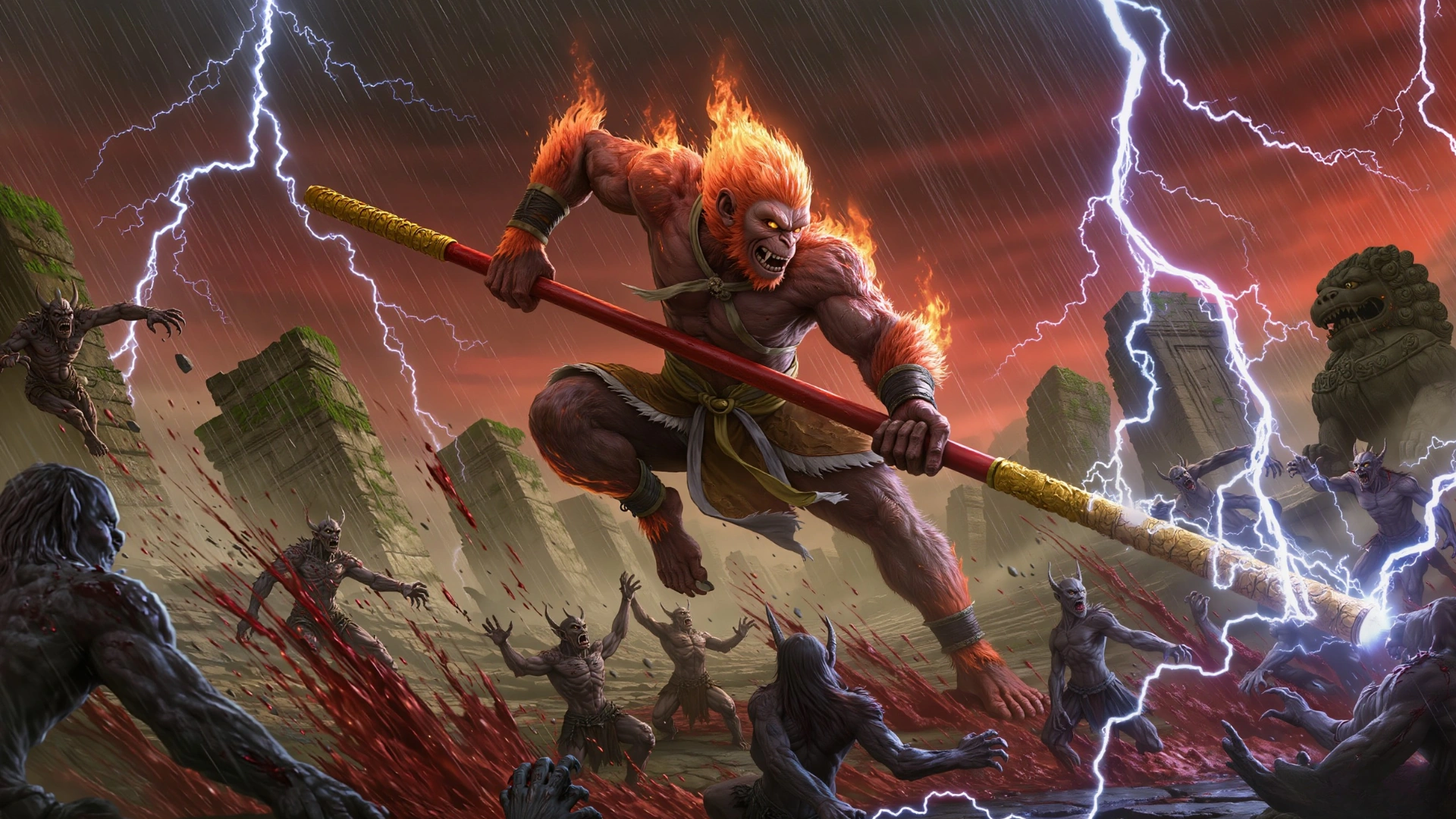
Combat is where the game fully reveals its personality. Every strike carries weight, every dodge has Combat is built around intention, and every encounter feels like a test of awareness rather than brute strength. This becomes especially clear through the stance system, where the staff is more than a weapon — it’s a rhythm. When that rhythm clicks, even tough enemies start to feel readable, almost like dance partners with bad intentions.
Each stance reshapes timing, reach, and risk. The Monkey Stance prioritizes speed and fluidity, offering fast attack chains, quick recovery, and high mobility. It excels at maintaining pressure on agile enemies, interrupting attacks, and capitalizing on short openings, trading raw damage for tempo and control.
The Boar Stance, by contrast, is slower and more deliberate, but delivers heavy blows with strong armor-breaking and guard-penetration properties. It is best suited for punishing defensive or heavily armored foes, where commitment and timing outweigh sheer speed.
Transformations deepen the tactical landscape. They are not decorative bonuses, but deliberate tools that redefine how players approach danger. Borrowing the power of defeated bosses enables radically different strategies: high-impact offensive forms, agile transformations built around evasion, or defensive shapes that create breathing room in otherwise overwhelming encounters.
Spells add a critical tactical layer on top of stances and transformations. They are best understood not as supplemental damage, but as situational abilities designed to shift momentum at key moments.
- Offensive spells focus on area control and burst pressure. Abilities such as Fire Ring create persistent zones of damage, punishing aggressive enemies and controlling space — particularly effective when paired with slower, high-damage stances.
- Defensive spells emphasize survival and risk management. Invisibility, for example, briefly breaks enemy targeting, allowing players to reposition, recover stamina, or prepare a calculated counterattack rather than disengaging entirely.
- Utility spells enhance mobility, timing, or setup potential. While they may not deal direct damage, they amplify efficiency by shortening vulnerability windows or enabling smoother transitions between actions and stances.
Crucially, spells are constrained by resources and cooldowns, reinforcing deliberate use. The game rewards precision and timing, not frequency — a single well-chosen spell can decisively alter the flow of a fight.
To visualize how these systems work together, players consistently engage with:
- stance choices (Monkey for speed and flow, Boar for power and armor break);
- spells that provide pressure, survivability, or tactical utility;
- transformations that temporarily shift the balance of power;
- parry and dodge mechanics that reward measured reactions over panic.
The game isn’t asking players to memorize endless combos. Instead, it teaches them to observe, adapt, and trust their instincts — mastery emerging naturally as enemy patterns become familiar and every tactical choice begins to carry weight.
Is Black Myth: Wukong a True Souls-Like Game?
The comparison comes naturally, but the answer is not entirely straightforward. Black Myth: Wukong clearly shares core DNA with Souls titles — deliberate movement, punishing enemy damage, and checkpoint-based progression — yet its emphasis lies elsewhere.
While it retains genre staples such as progression through Insights and the pursuit of Peaches of Immortality, Wukong does not simplify these systems so much as reframe their purpose. Rather than centering the experience on harsh attrition and oppressive stamina management, the game directs player attention toward agility, timing, and rhythmic staff combat, supported by cinematic transformations and a more explicitly guided narrative.
While sharing the core loop of challenging combat and checkpoint-based progression, Wukong distinguishes itself with a more narrative-driven approach, spectacular transformations, and a combat system that emphasizes agility and rhythmic staff play over grim stamina management.
The result is an experience adjacent to the Souls-like genre rather than a strict imitation: familiar enough to resonate with veterans, structured clearly enough to welcome newcomers, and distinct enough to stand confidently apart from its inspirations.
Progression & Key Resources: How to Grow Stronger
Power in Black Myth: Wukong grows slowly but meaningfully. There’s no cluttered skill tree or overwhelming stat screen. Instead, the game grounds progression in narrative-linked resources that each carry a purpose players feel immediately.
Below is a clean and friendly table outlining these essentials:
| Resource | Purpose | How to Obtain |
| Inspiration | Core currency used for upgrades | Earned by defeating enemies and exploring new areas |
| Elixir | Restores health during encounters | Found in containers, dropped by enemies, or granted after major fights |
| Peaches of Longevity | Permanent health increase | Hidden throughout the world or received after special milestones |
| Boss Spirits | Unlock new transformations | Gained after defeating specific bosses |
As you collect and use these items, progression begins to feel less like a background system and more like a natural extension of your journey — a reflection of the battles you’ve endured and the lessons learned.
Time left: 04:30
Last used 4 minutes ago
Essential Tips & Strategies: Conquering the Toughest Challenges
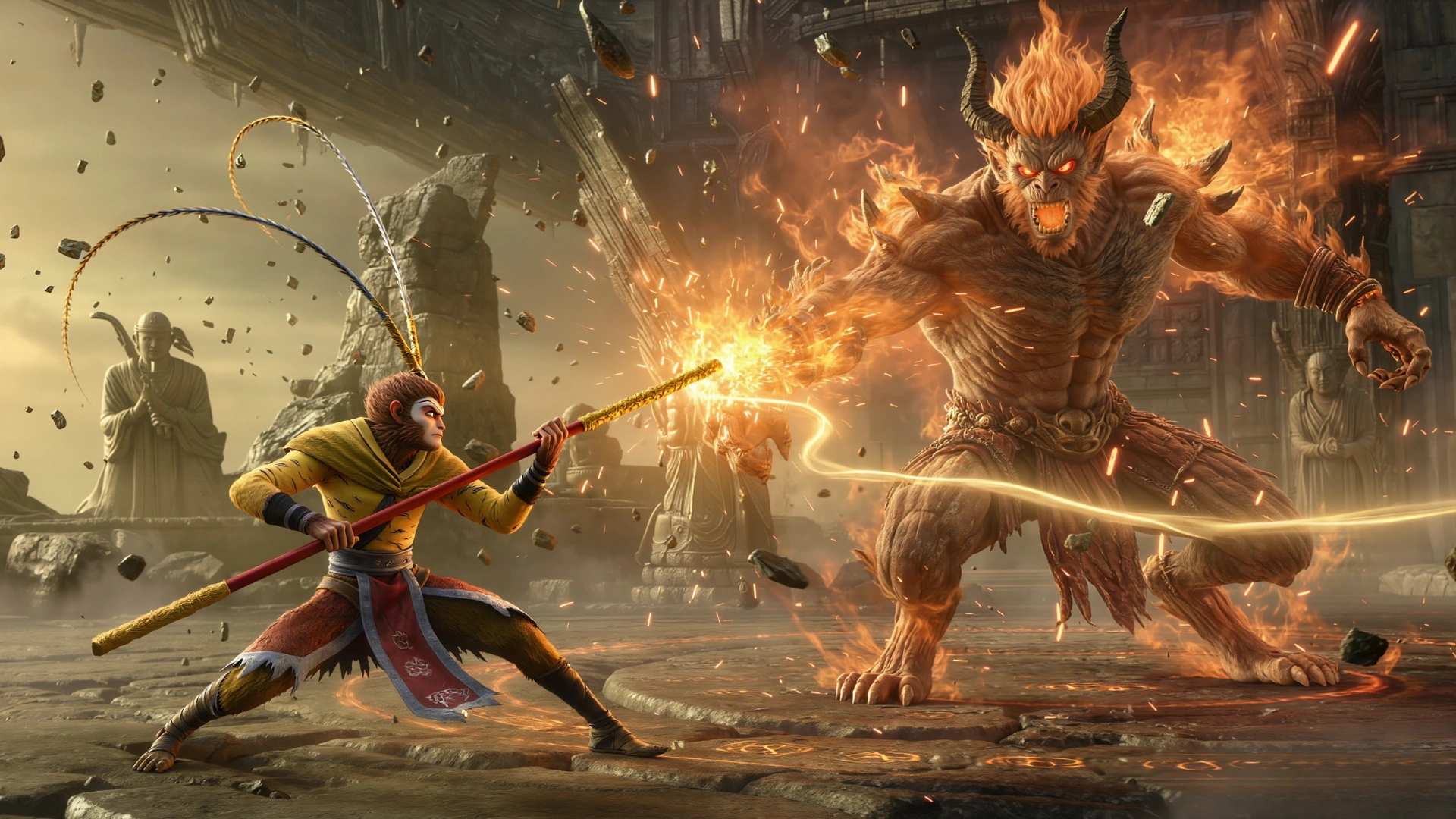
Many players get stuck not because the game is unfair but because it rewards small shifts in awareness. The more calmly you observe an enemy’s rhythm, the faster their patterns become readable. Here are strategies that reliably help during the roughest encounters:
- Give each fight ten seconds of observation before attacking.
- Switch stances when dealing with unpredictable enemy spacing.
- Test transformations outside boss arenas to understand timings.
- Treat dodging as part of the offensive cycle, not a backup plan.
- Use exploration to gather permanent upgrades before big fights.
- Rotate spells regularly to discover hidden synergies.
- Assume every enemy has at least one delayed attack to trick you.
These fundamentals create a stable mental approach — one that doesn’t crumble when a fight becomes chaotic. They also make late-game encounters far more manageable, especially once your instincts start to sharpen.
Players who lean on insights found through BC Game Wukong strategies often describe a noticeable shift in their confidence. The game starts feeling less like a series of obstacles and more like a world that rewards clarity and steady patience.
Boss Strategy: How to Defeat Tiger Vanguard
Before confronting Tiger Vanguard, the game introduces several early bosses designed to teach core combat lessons: spacing, patience, and reading recovery windows. Understanding their specific weaknesses allows players to apply the stance, spell, and dodge systems with far greater efficiency.
| Boss | Key Weakness | Recommended Tactics |
|---|---|---|
| Wolf Leader | Vulnerable during long recovery animations after leap attacks | Maintain mid-range distance, bait lunges, sidestep rather than backstep, punish during landing recovery |
| Stone Brute | Slowed movement and extended openings after heavy attacks | Circle laterally, avoid frontal pressure, strike after ground-smash animations |
| Tiger Vanguard | Overcommits on multi-hit combos, limited tracking on lateral dodges | Dodge sideways instead of backward, switch to fast stances to punish combo recovery, avoid greedy follow-ups |
These encounters reinforce a consistent design philosophy: bosses are not defeated by raw damage, but by recognizing commitment and exploiting recovery. Early on, the game subtly trains players to read animation intent, manage distance, and choose tactics that align with each enemy’s behavioral patterns.
By the time players reach Tiger Vanguard, these lessons converge. Success comes from lateral movement, disciplined dodging, and controlled counterattacks — a culmination of the systems introduced by earlier fights rather than a sudden difficulty spike.
Time left: 04:30
Last used 4 minutes ago
PC System Requirements & Performance Optimization

Since many players run the game on PC, understanding performance needs is essential. Below is a reliable requirements chart based on commonly shared benchmarks and official specifications:
| Component | Minimum Requirements | Recommended Requirements |
| CPU | Intel i5 / Ryzen 5 | Intel i7 / Ryzen 7 |
| RAM | 16 GB | 32 GB |
| GPU | RTX 2060 / RX 5600 XT | RTX 3080 / RX 6800 XT |
| Storage | 100 GB SSD | 100 GB high-speed SSD |
To keep performance smooth without losing visual quality, try adjusting the following settings:
- lower shadow resolution slightly for a noticeable FPS improvement;
- reduce motion blur to improve clarity during fast combat;
- adjust volumetric fog, as this setting heavily impacts GPU load;
- maintain reasonable resolution scaling instead of pushing ultra textures.
After just a few tweaks, the game tends to stabilize beautifully, allowing the environments and effects to shine without unnecessary strain on your system.
Conclusion: The Lasting Impact of a Myth
Black Myth: Wukong proves that folklore can feel unmistakably modern without sacrificing its emotional core. Its world is deeply immersive, its combat demanding yet fair, and its storytelling confident enough to let silence carry meaning. This is not spectacle for its own sake — it is restraint, intent, and cultural identity expressed through play.
More than a commercial success, the game represents a pivotal moment for the industry. It signals the arrival of Eastern AAA development on the global stage with clarity and ambition, offering a vision of action RPG design that values rhythm over brutality and atmosphere over excess. Long after the credits roll, Wukong endures not because of difficulty alone, but because every ruined temple and whispered legend leaves a lasting impression.
For players drawn to the satisfaction of mastery found in Black Myth: Wukong, similar principles — timing, risk assessment, and deliberate decision-making — appear in other genres as well. BC Originals titles such as Crash and Dice reinterpret these ideas in a different context, where strategic choices and precise execution remain central to success, offering an alternative way to engage with high-skill gameplay.